
Reading
Reading
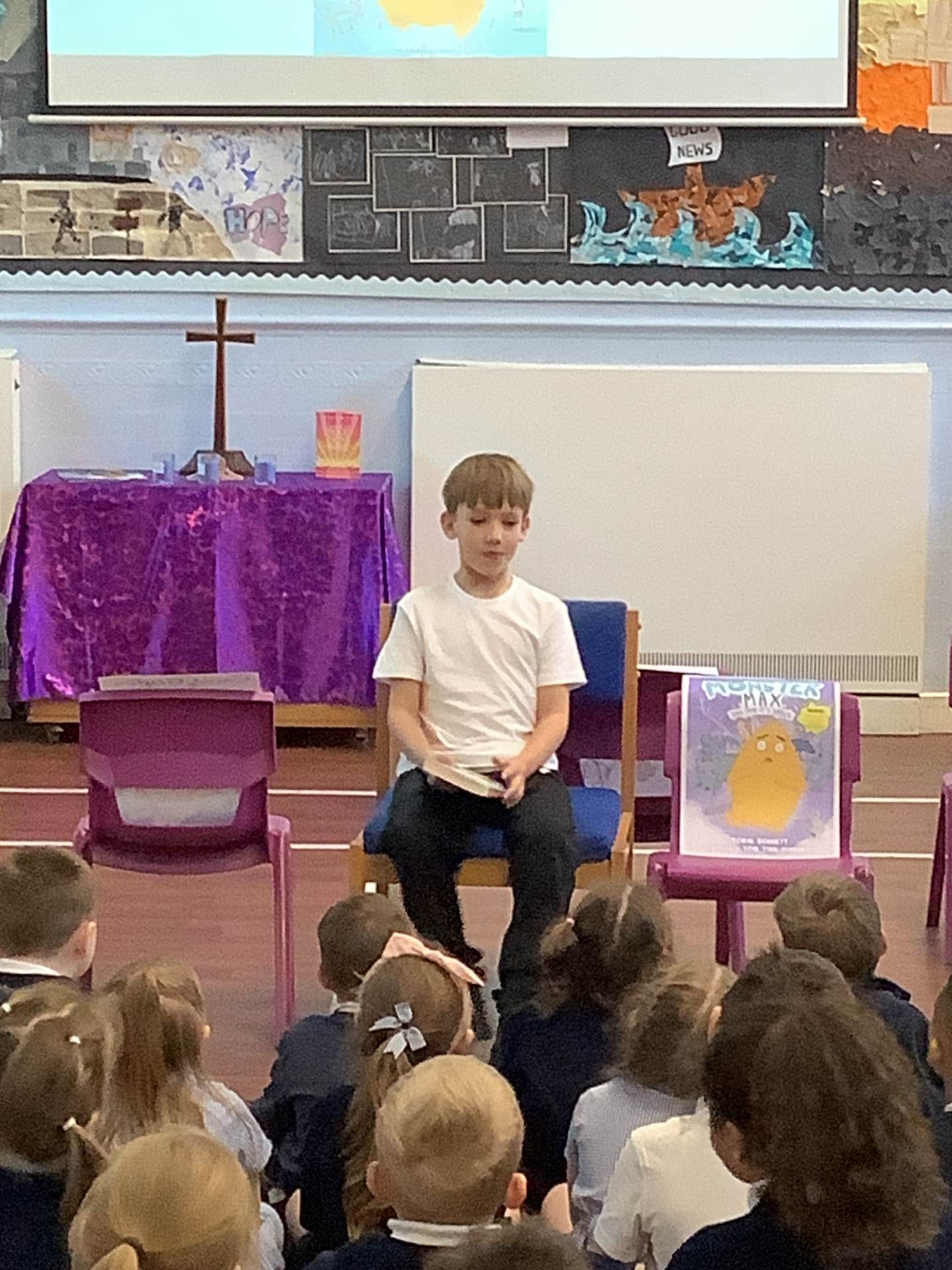
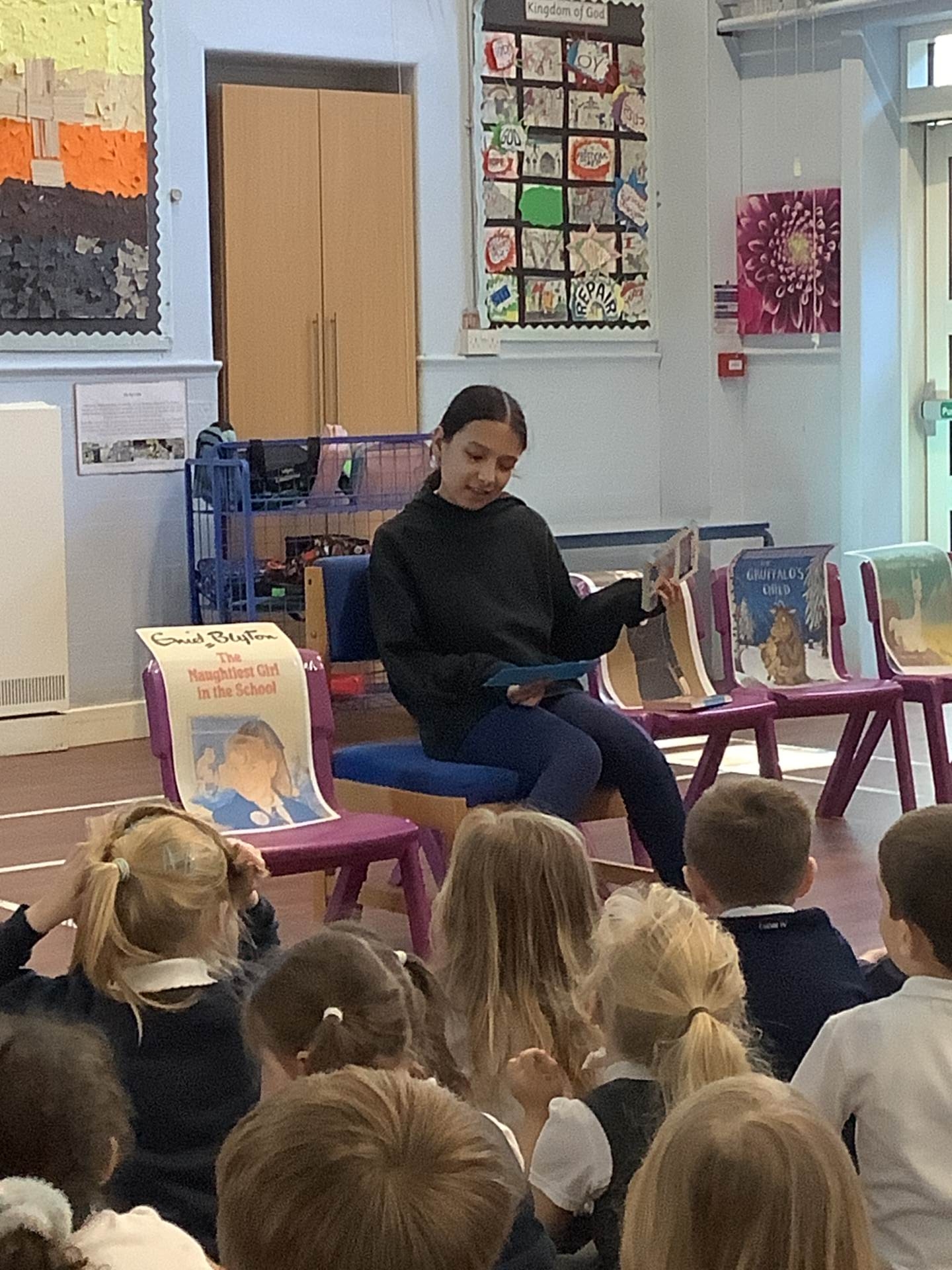
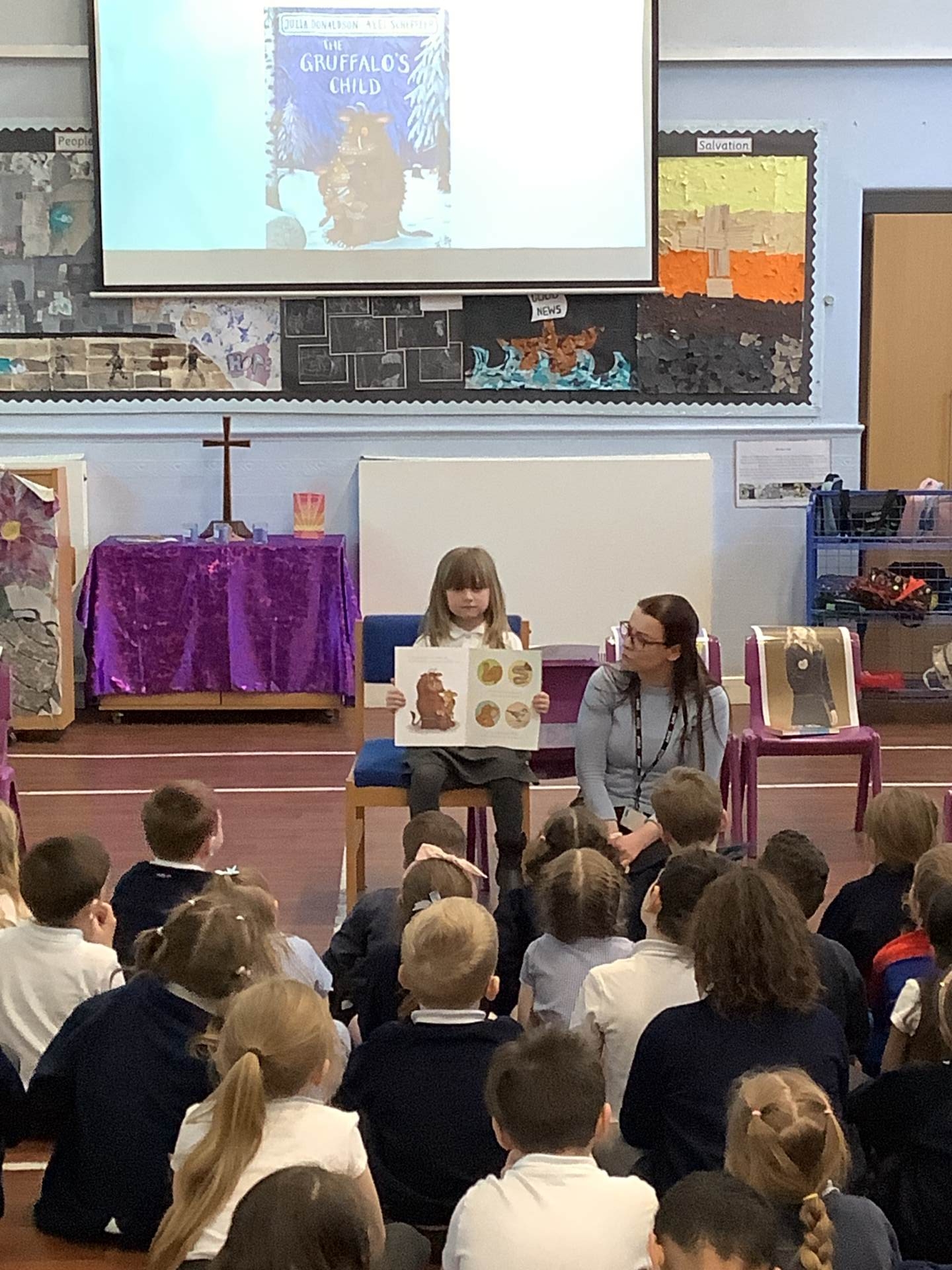
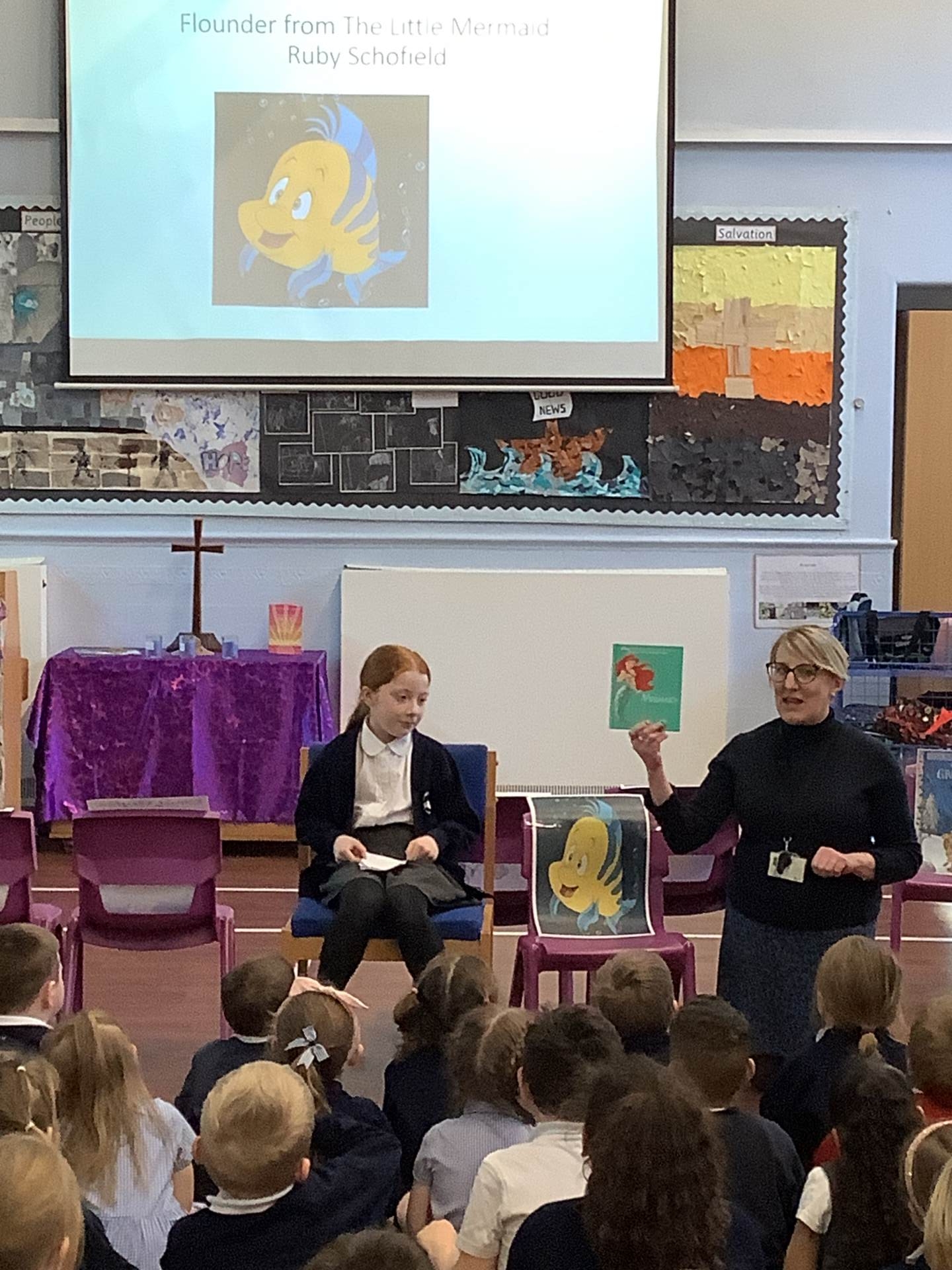
For more information about our Little Wandle Phonics Curriculum please click here.
The Intent of Reading at Kirkburton
At Kirkburton First School, reading is at the heart of all learning. We aim to deliver a high-quality reading curriculum that offers children a broad and balanced reading experience, nurturing and growing their love of reading.
We begin by teaching children to read using the Little Wandle phonics scheme – please visit our ‘Phonics’ page for more details about how this operates. Once children have successfully completed Phase 5 and the corresponding reading books, they ‘graduate’ from the scheme, usually in Year 2, and move on to our Whole Class Reading lessons.
Children who need additional time to complete the Little Wandle programme are fully supported through targeted, timetabled sessions. These sessions run alongside our Whole Class Reading lessons to ensure every child receives the support they need.
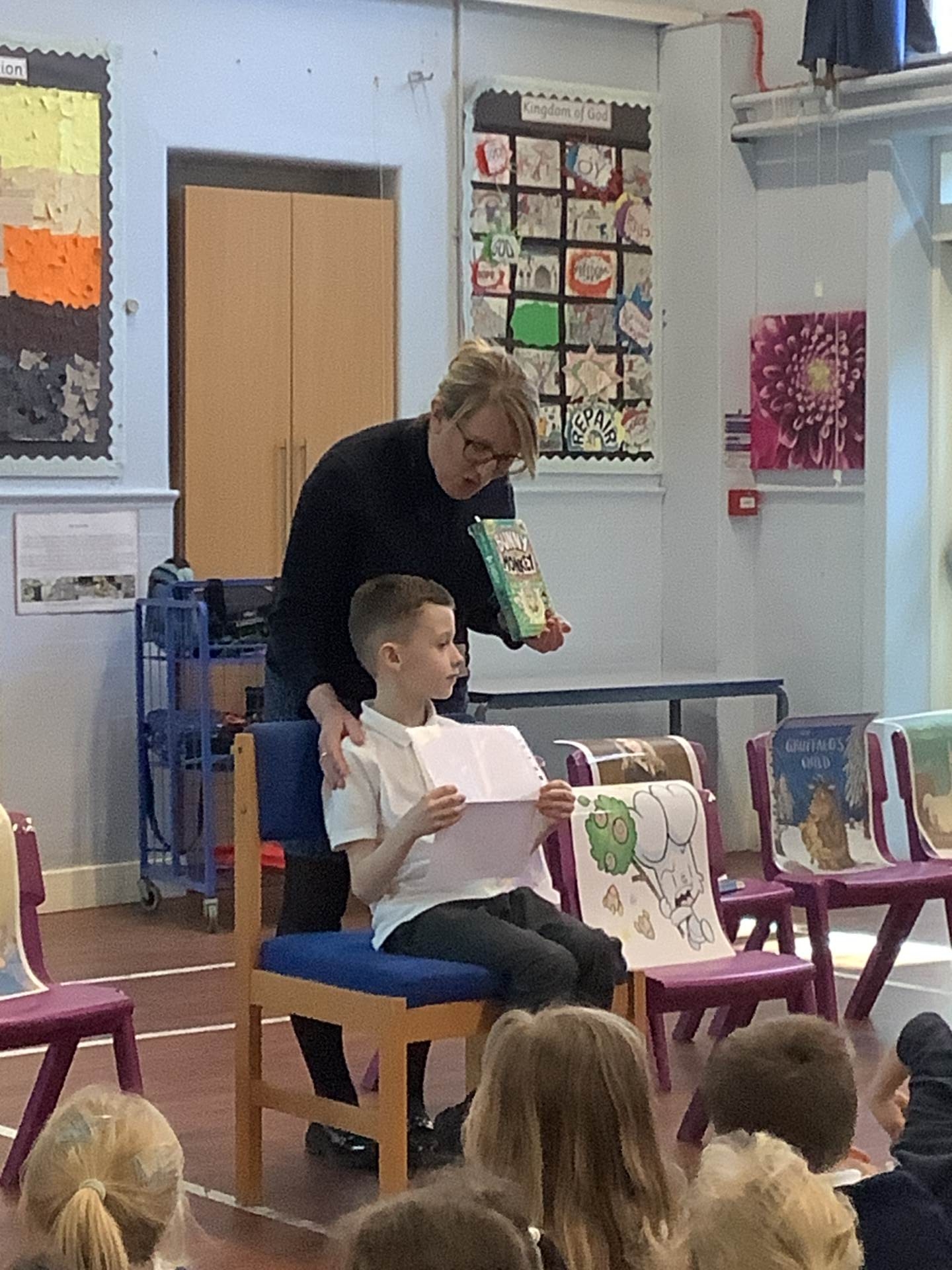
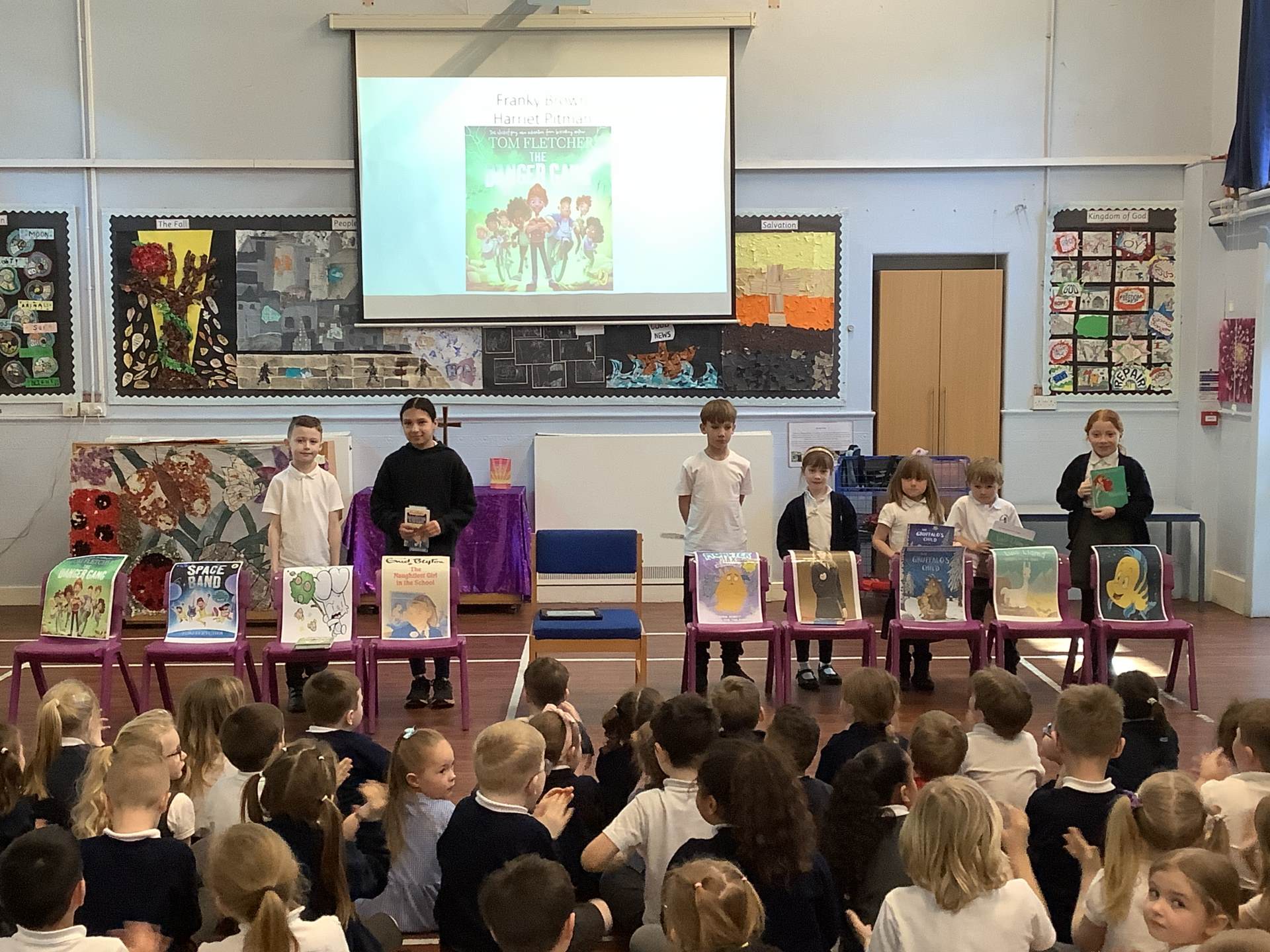
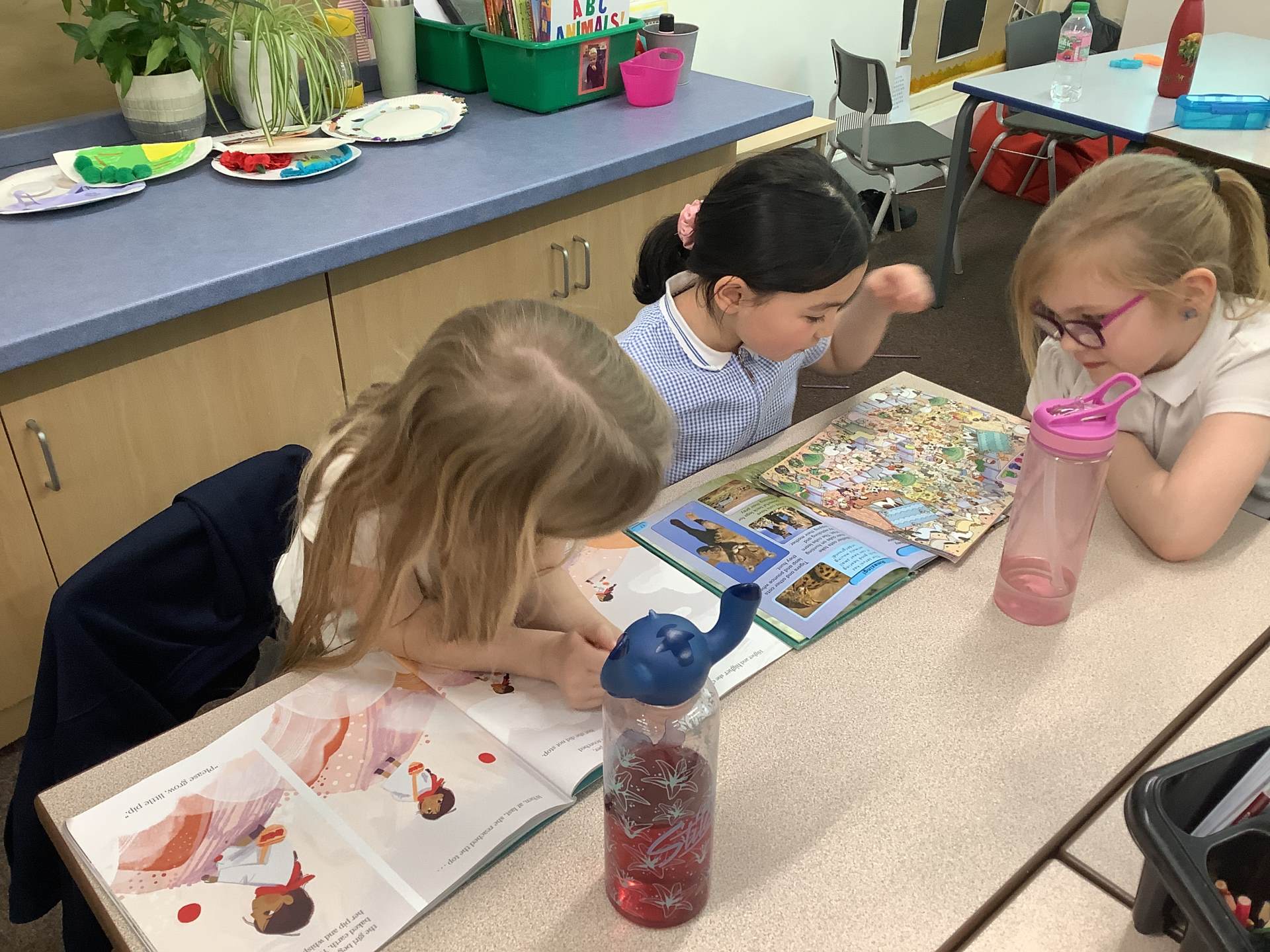
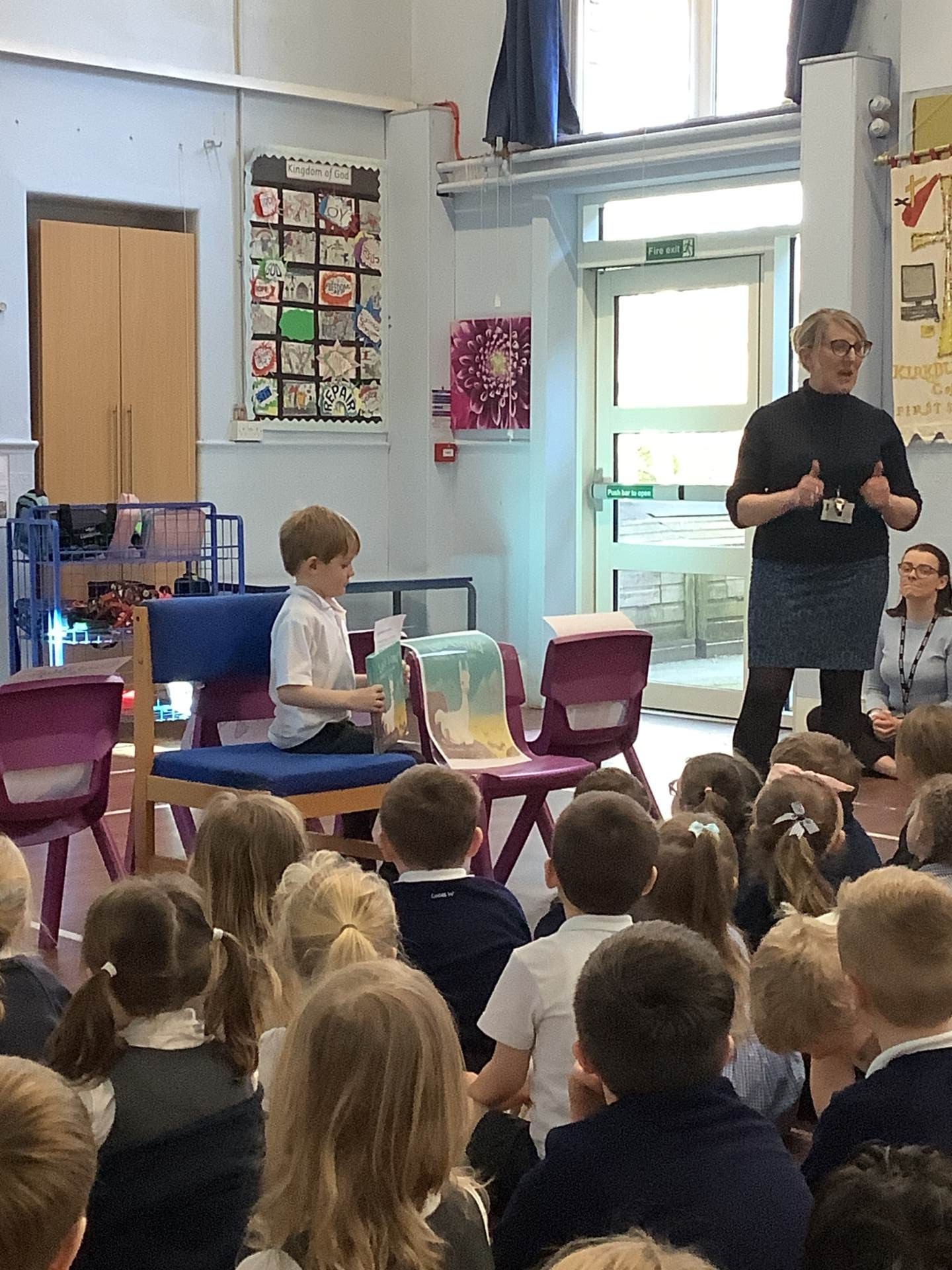
Taught reading skills are embedded across the curriculum, allowing children to apply and extend their understanding in various contexts. Our brand-new library is now fully operational, offering every child access to a wide range of current titles, contemporary authors, and diverse reading choices. In addition, each classroom has its own library, stocked with new books chosen by the children—for the children.
Our ultimate goal is to support every child in becoming a fluent, confident, and independent reader, equipped with the skills to engage with a variety of texts—helping them succeed across all areas of learning.
The national curriculum for Reading aims to ensure that all pupils:
Word Reading
Key Stage 1 (Years 1–2)
- Apply phonic knowledge to decode words
- Read common exception words
- Read words with suffixes (-s, -es, -ing, -ed, etc.)
- Read words with contractions (e.g., can’t, I’ll)
- Read aloud books closely matched to their phonic ability
- Re-read books to build fluency and confidence
Key Stage 2 (Years 3–6)
- Continue to apply growing knowledge of root words, prefixes, and suffixes (e.g., dis–, mis–, –ly)
- Read further exception words, noting unusual spelling and pronunciation
- Read aloud and independently with increasing fluency and understanding
Reading Comprehension
Key Stage 1
- Listen to and discuss a wide range of texts (stories, poetry, nonfiction)
- Link what they read/hear to their own experiences
- Become familiar with key stories, fairy tales, traditional tales
- Understand the meaning of new words
- Discuss the sequence of events and how information is presented
- Make inferences and predictions
- Participate in discussion about books
Key Stage 2
- Read a wide range of texts including myths, legends, modern fiction, classic poetry, and non-fiction
- Identify themes and conventions
- Discuss vocabulary and how meaning is enhanced
- Ask questions to improve understanding
- Summarise main ideas across paragraphs
- Identify how language, structure, and presentation contribute to meaning
- Retrieve and record information from nonfiction
- Provide reasoned justifications for views
The Implementation of Reading at Kirkburton CE First School
At Kirkburton First School, each year group has access to a carefully selected bank of high-quality reading extracts. These have been thoughtfully mapped across our long-term plans, with approximately two extracts studied each half term. When a longer or complete text is chosen, reading and writing are planned together to create a meaningful and cohesive learning experience.
As part of our ongoing commitment to developing an engaging reading curriculum, we have introduced a range of fresh, inspirational texts that excite and challenge our children. These texts are closely linked to each class’s wider topics and themes—details of which can be found in our long-term planning documents.
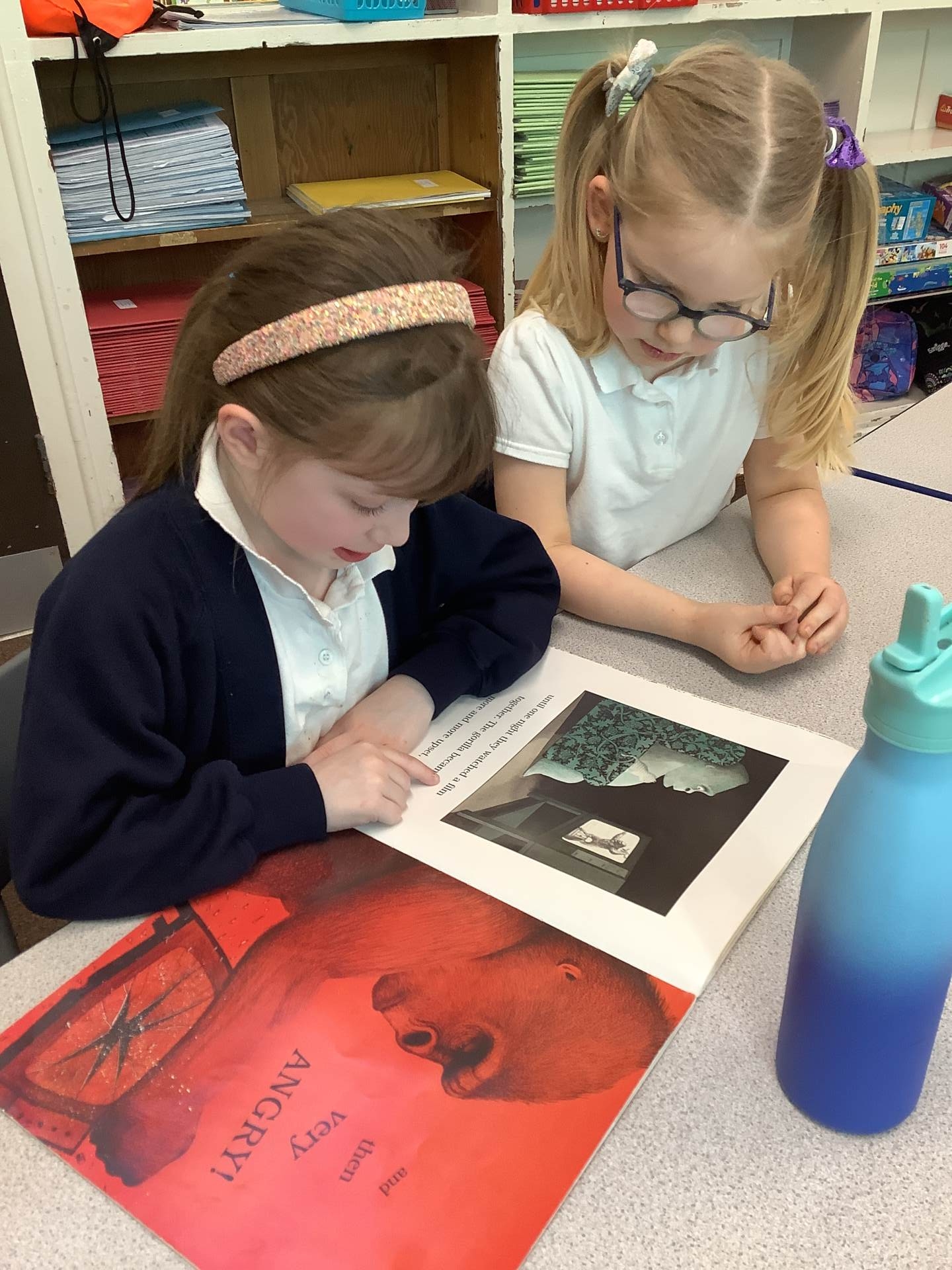
Our reading curriculum encompasses a diverse mix of genres and formats, including fiction and non-fiction, poetry, narrative, playscripts, film and media, wordless picture books, traditional tales, and modern stories. This variety ensures that every child experiences the richness and breadth of literature, helping to develop both a love of reading and a deeper understanding of the world around them.
Reading Text Long Term Plan 2025-26
How are reading lessons planned and structured?
At Kirkburton First School, we follow a consistent, whole-school approach to reading, designed to build key skills progressively and ensure high-quality learning experiences for all children. Our reading lessons follow a clear structure and are planned to be purposeful, engaging, and well-paced. This approach is used consistently from Year 2 to Year 5, helping children become confident, fluent, and reflective readers.
Reading Books at KFS
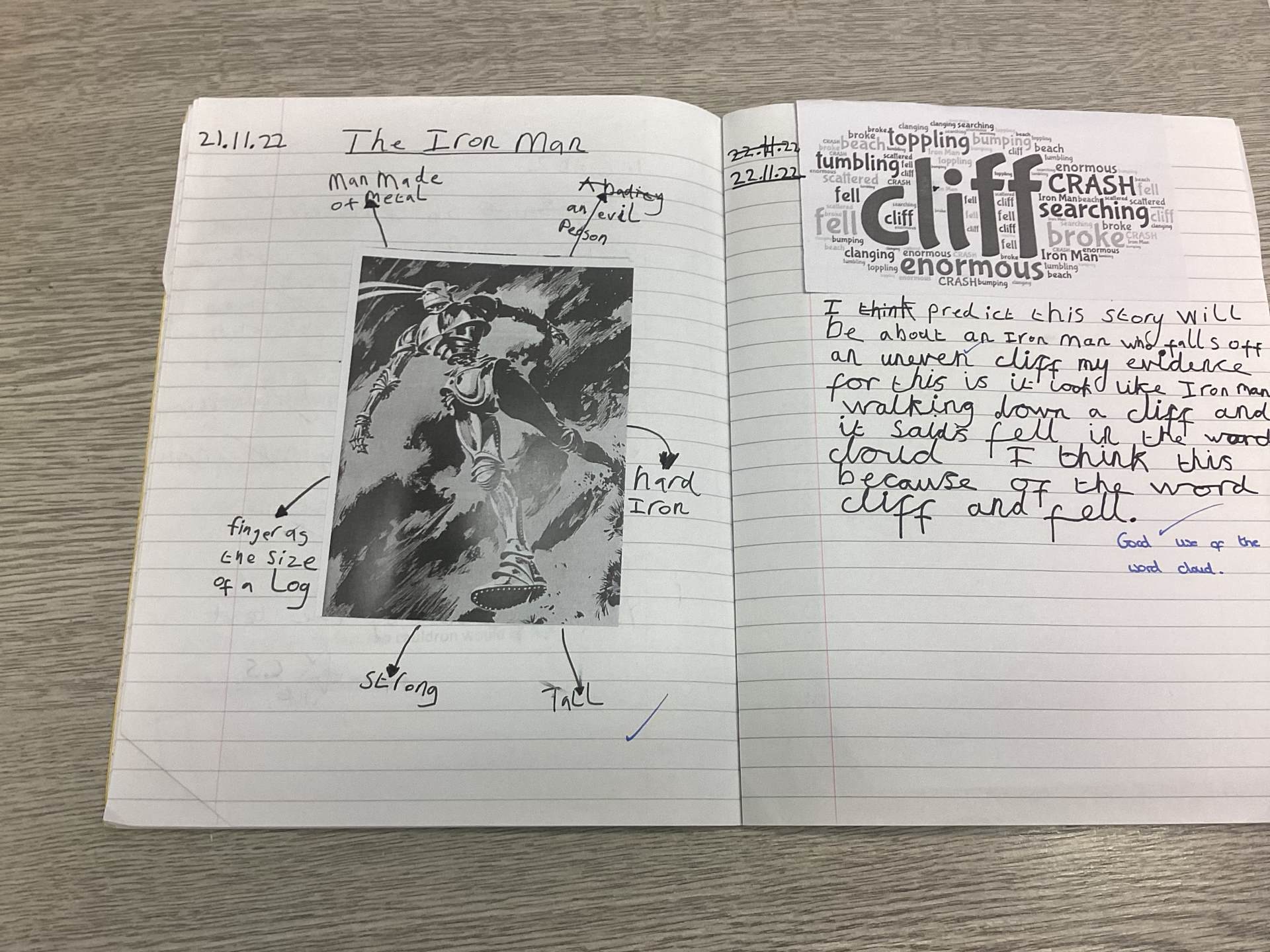
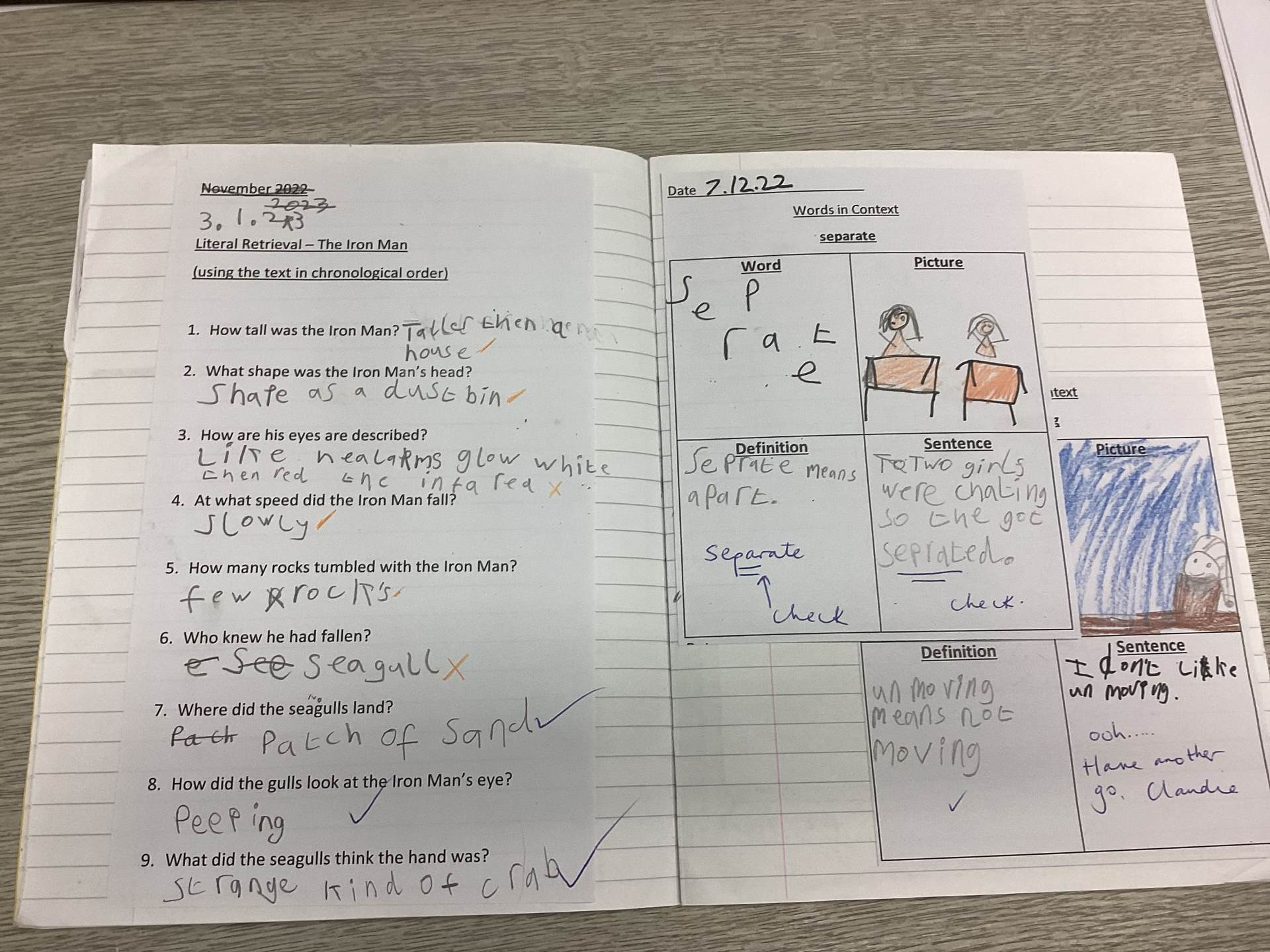
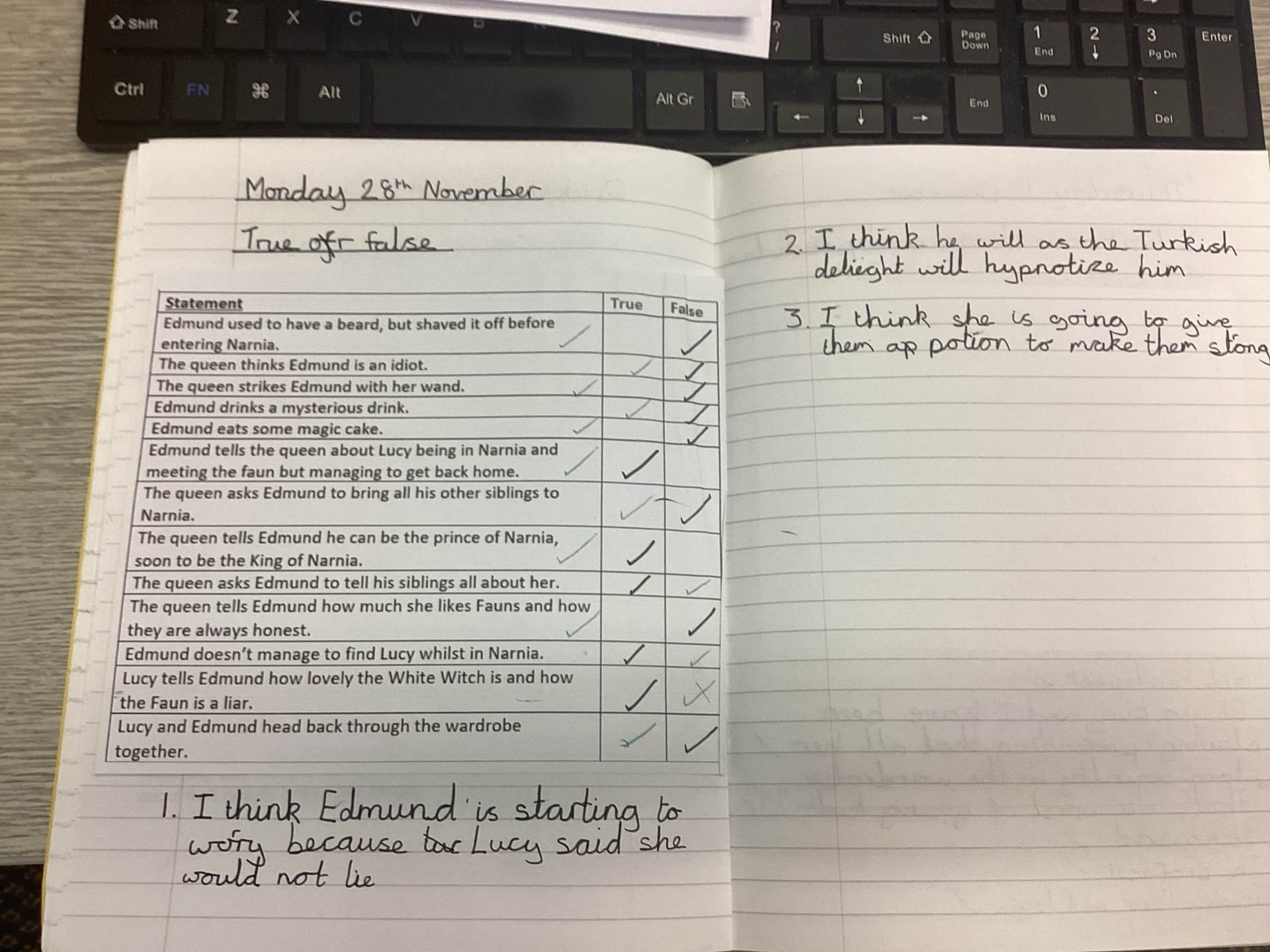
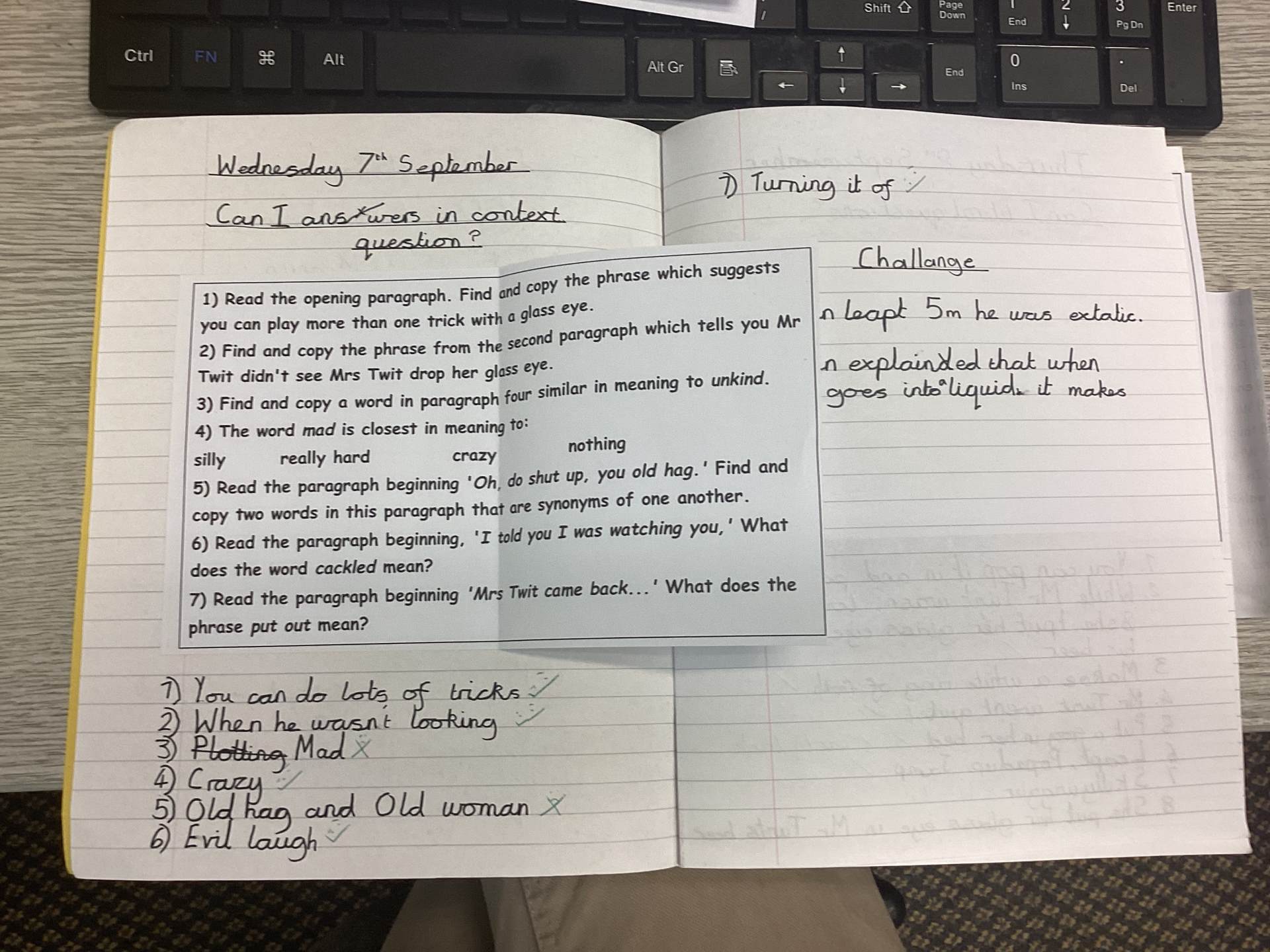
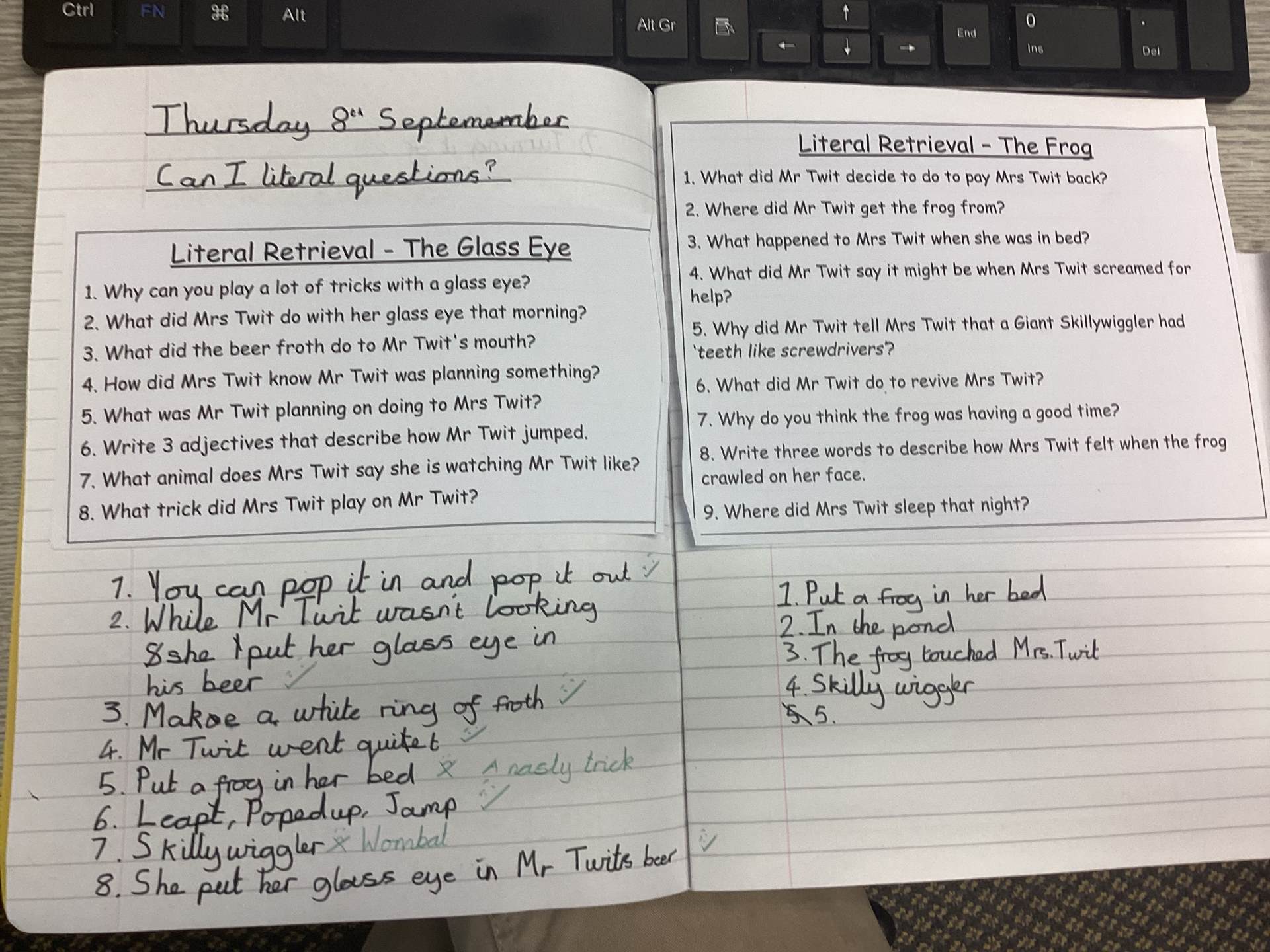
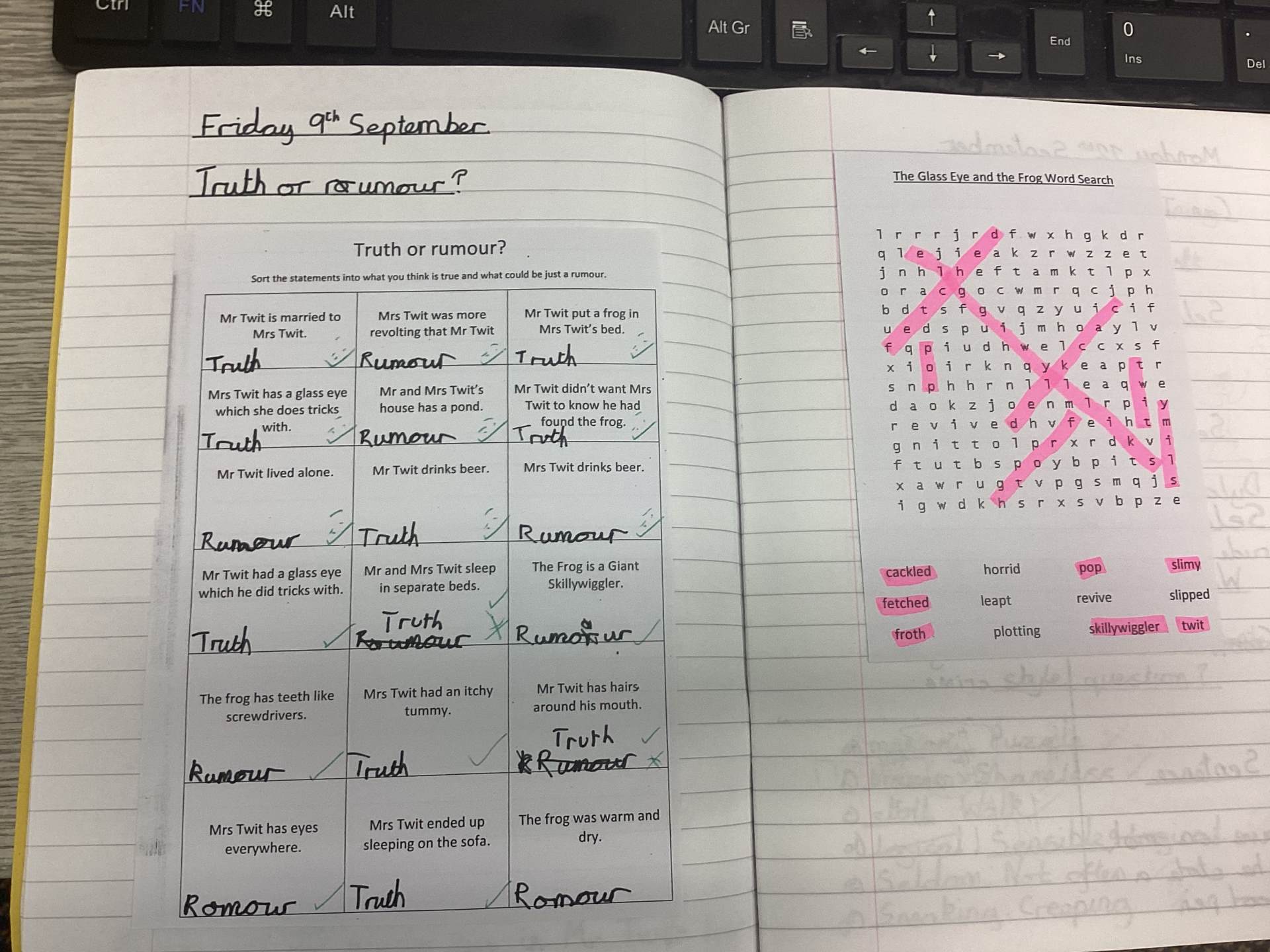
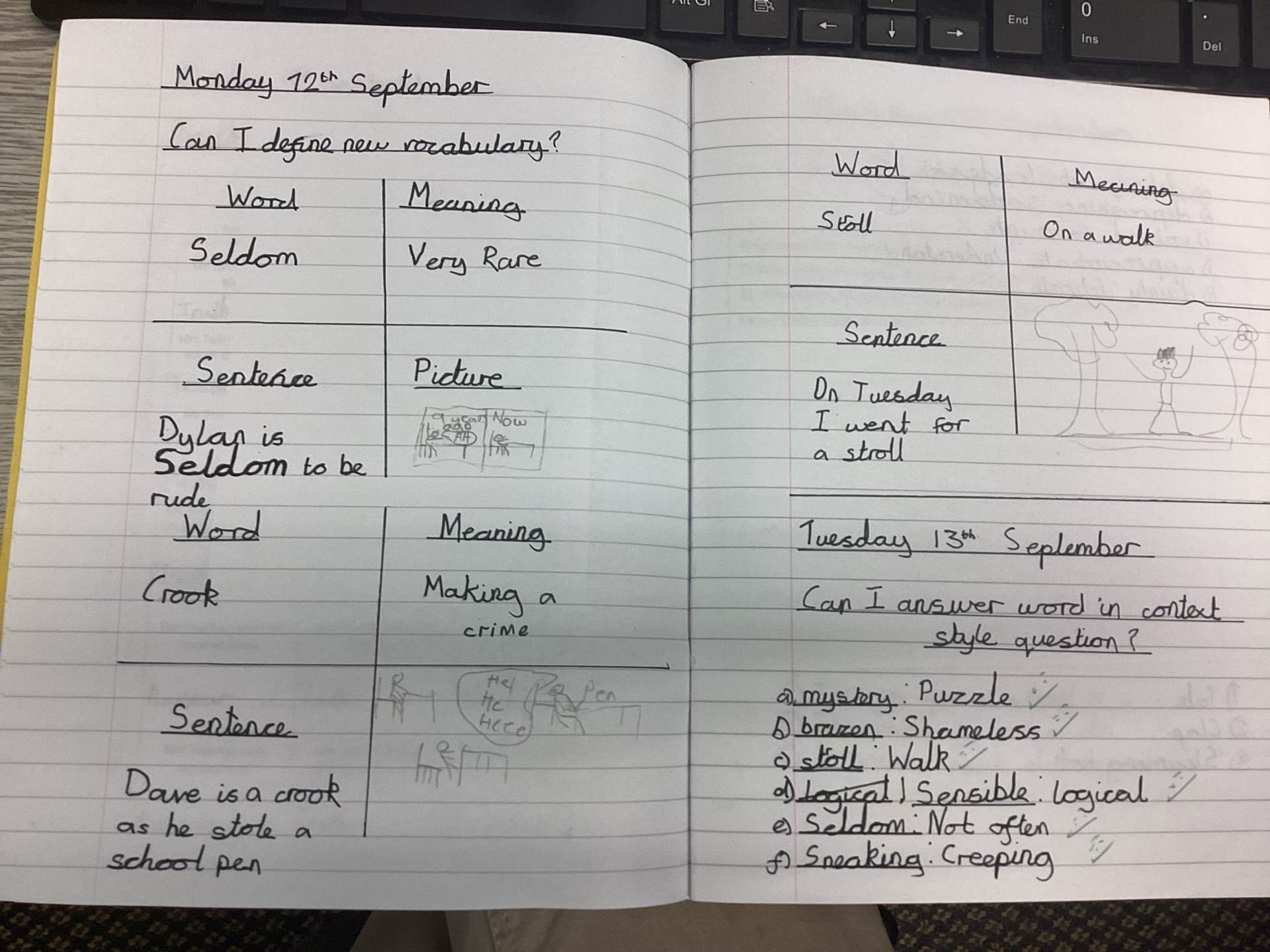
A Typical Reading Structure Includes:
- Pre-Reading and Prediction- Children are encouraged to make predictions based on the text’s title, cover, illustrations, or opening paragraphs. This activates prior knowledge and sets a purpose for reading.
- Modelling -Teachers model reading strategies through ‘think aloud’ approaches, discussing thoughts, ideas, and interpretations as they read. Children and adults read aloud together, rehearsing the use of tone, intonation, and expression. Echo reading is used throughout school to build fluency, confidence, and oral reading skills.
- Vocabulary Exploration- Each lesson focuses on 10 carefully selected, challenging vocabulary words drawn from the text. These tier 2 or tier 3 words are explored in context, discussed and defined collaboratively. The words are then displayed in the classroom and revisited to help build a growing bank of ambitious vocabulary.
- Words in Context- Children develop their understanding of word meaning, word classes, and usage through focused questioning and discussion. This deepens their grasp of vocabulary and supports their comprehension of the wider text.
- Literal Retrieval- Using the same text, children practise identifying and retrieving key facts or details. This helps them locate and reference evidence accurately and efficiently.
- Inferential Reading- Finally, children move on to inference-based tasks, starting with ‘short inference’ questions and progressing to more extended responses where they must justify their ideas using evidence from the text.
Each session begins with a short warm-up activity and whole-class input, followed by independent work in which children respond to the text using the strategies taught. Their work is recorded in their Reading Journals. The consistency of this structure across key stages ensures that pupils are confident in the format and fully engaged in their reading journey.
Flashbacks
Reading sessions place a strong emphasis on vocabulary development through regular vocabulary flashbacks. These are implemented using engaging games and focused vocabulary activities that revisit and reinforce previously taught words. This structured approach allows pupils to deepen their understanding of new vocabulary and confidently use it in the correct context. Over time, this has led to noticeable improvements in pupils’ writing, as they increasingly choose to incorporate newly acquired vocabulary independently and appropriately, enhancing both their written expression and overall literacy skills.
School Library
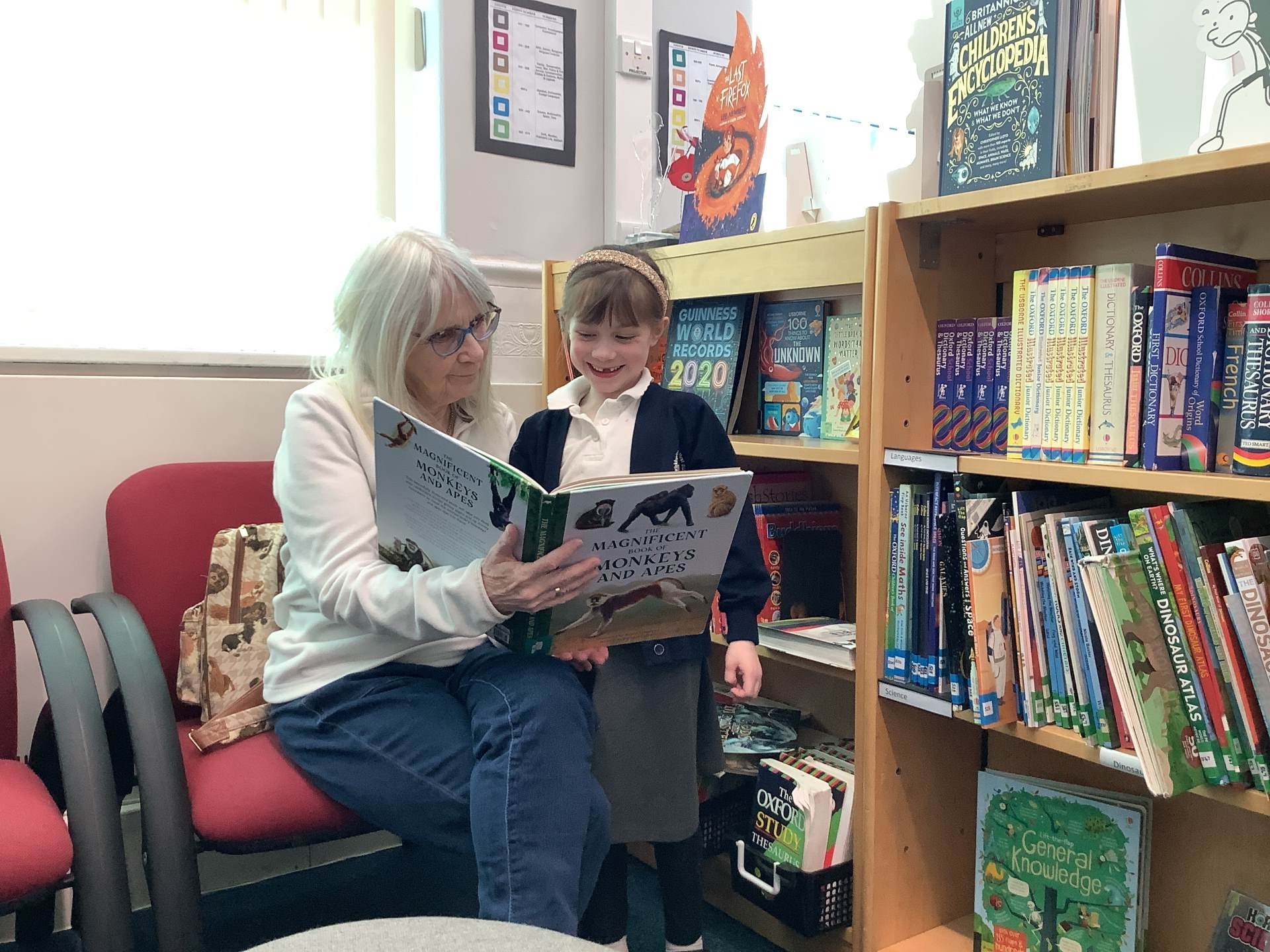
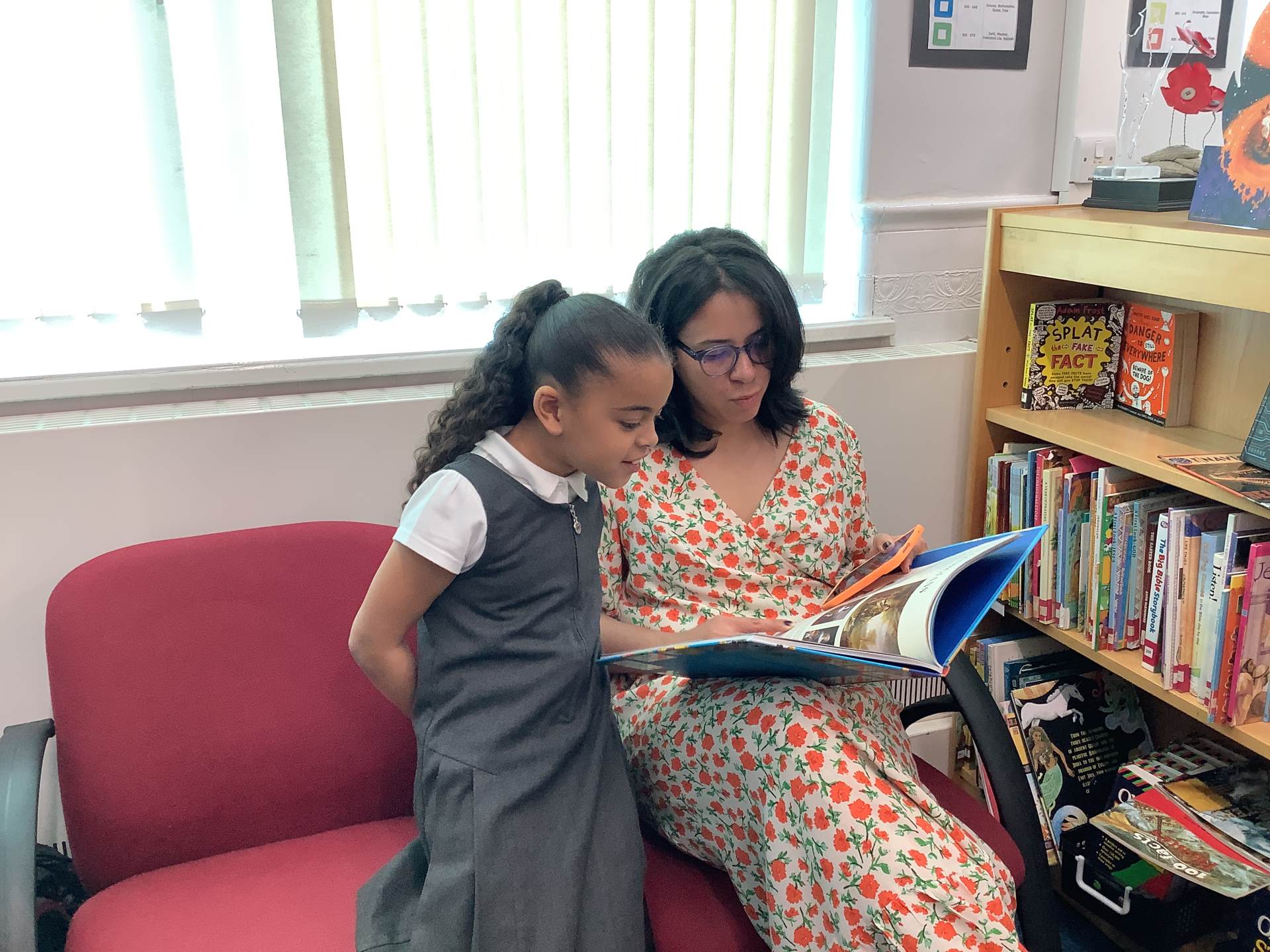
All our staff believe and want every child to grow up being a 'real reader'. That is why the school has pours significant staffing and financial resources into creating a well-resourced school library, which officially opened in November 2024. The library has had a hugely positive impact on children's love of books and reading, and enables all our children to access high-quality texts, even when they struggle to outside of school. Furthermore, our Early Years Child visit Kirkburton Library at least half-termly to benefit from their external enthusiasm and knowledge about children's literature.
Mrs Gaunt, our school Librarian, also runs a weekly lunchtime Book Club for Key Stage Two children.
Reading Eggs
Some of our children use the Reading Eggs app to further support independent reading at home and in school.
The Impact of Reading at Kirkburton CE First School
Curriculum impact is carefully assessed and monitored through a variety of methods to ensure a comprehensive understanding of each pupil’s development. These include formative and summative assessments, regular one-to-one, vocabulary checks, and comprehension tasks. This approach enables teachers to identify strengths and areas for improvement, tailor to individual needs, and measure the overall effectiveness of the reading curriculum.
Assessment
Reading is continuously assessed through individual one to one reading and structured discussions, enabling teachers to ensure pupils are accurately placed within the appropriate reading band for their home reading materials.
In addition to these ongoing assessments, we formally assess each term using the PIRA reading tests. The resulting data, including scaled scores, are systematically recorded and uploaded to SONAR, facilitating comprehensive monitoring of pupils’ reading progress and attainment over time.
Pupil voice
A pupil voice sample is regularly undertaken across KS1 and KS2 by gathering children’s own feedback on their reading skills, understanding, and enjoyment. This helps teachers tailor support and track progress effectively.
Book looks and Lesson Drop-Ins
Book looks and lesson drops are conducted regularly to ensure the expectations in this document are met. Book looks review pupils’ work for progress and consistency, while lesson drops provide insight into teaching practice, pupil engagement, and the overall quality of reading provision.